Kids Engagement During the Ebola Crisis in Liberia

???????????????????????????????

A few weeks ago, I was tutoring my kids and a question ran through my head: how are other parents keeping their kids busy and engaged during the compulsory schools closure?

Later that day on my way to work, I passed many kids in my community who were just sitting around idle, or playing or just walking around in the community looking like they had nothing to do. Then the thought hit me: why not print a few worksheets that you could share with them to keep them busy.

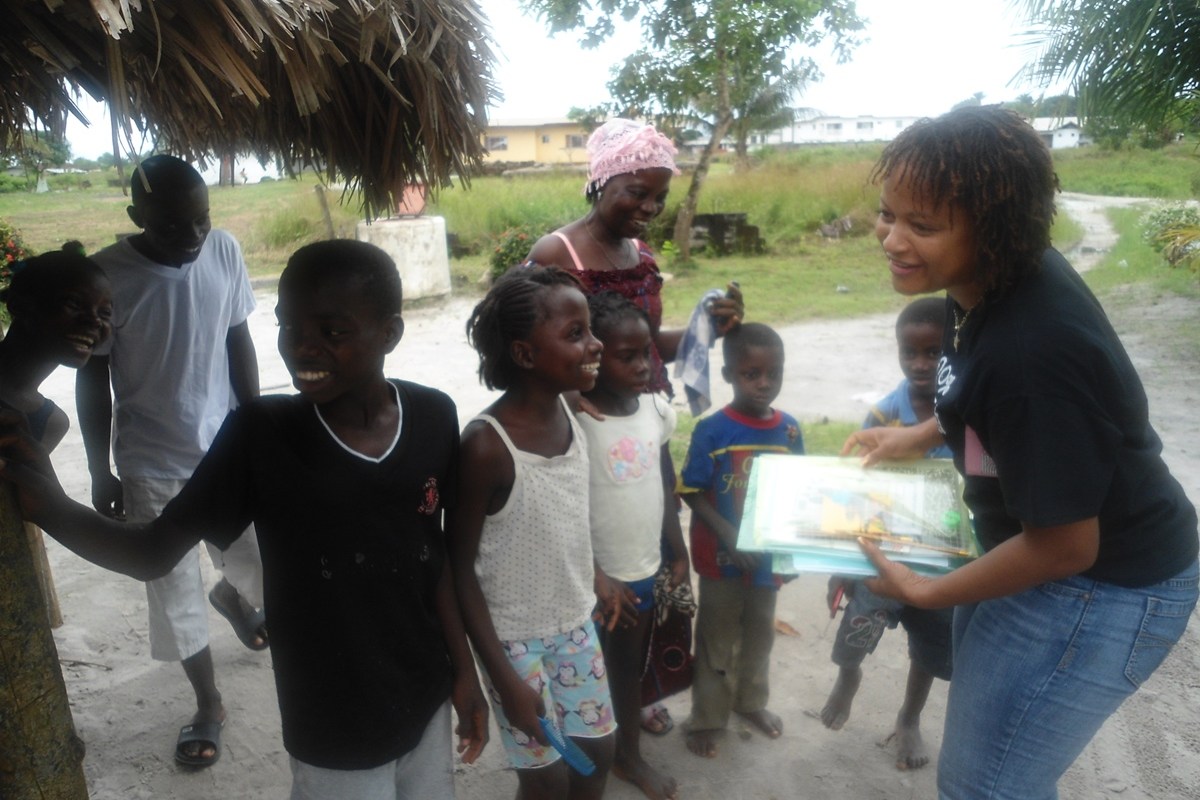
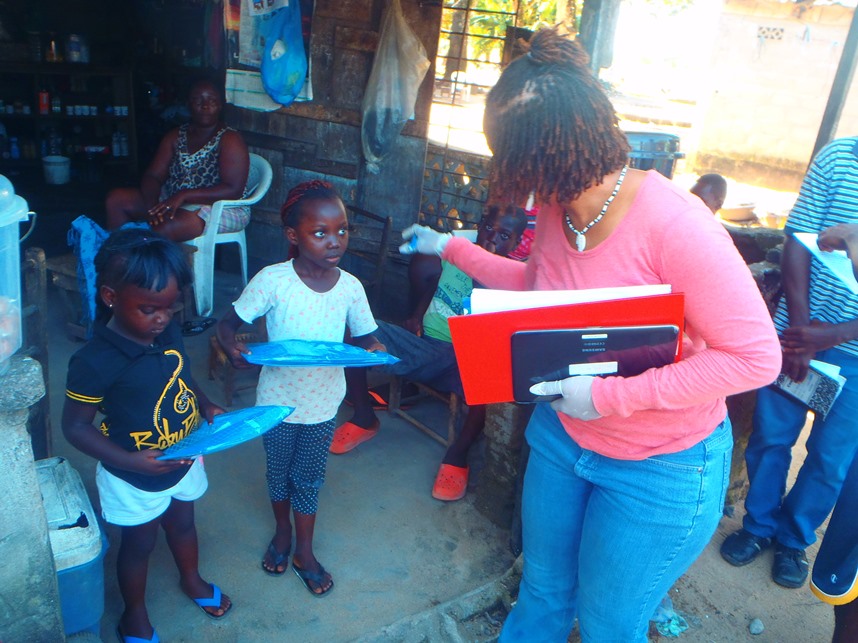
Thus was born Project Kids Engagement. The idea is to provide weekly school exercises to the kids in my community (the Baptist Seminary/Gbengbar town area) and create an awareness for parents to make time daily to tutor their kids and not allow the indefinite closure of schools due to the Ebola outbreak to keep their kids behind in their lessons.

??????????????????????????????? ???????????????????????????????

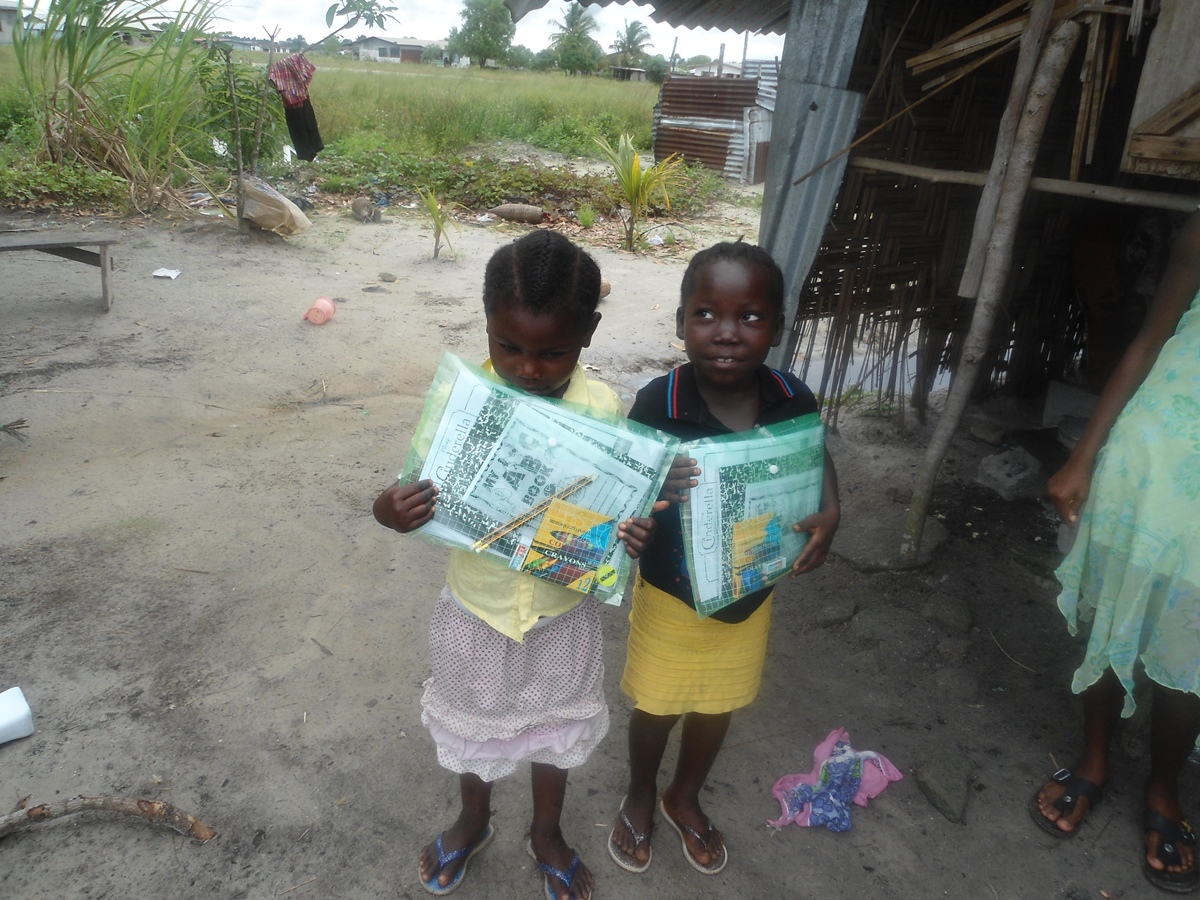
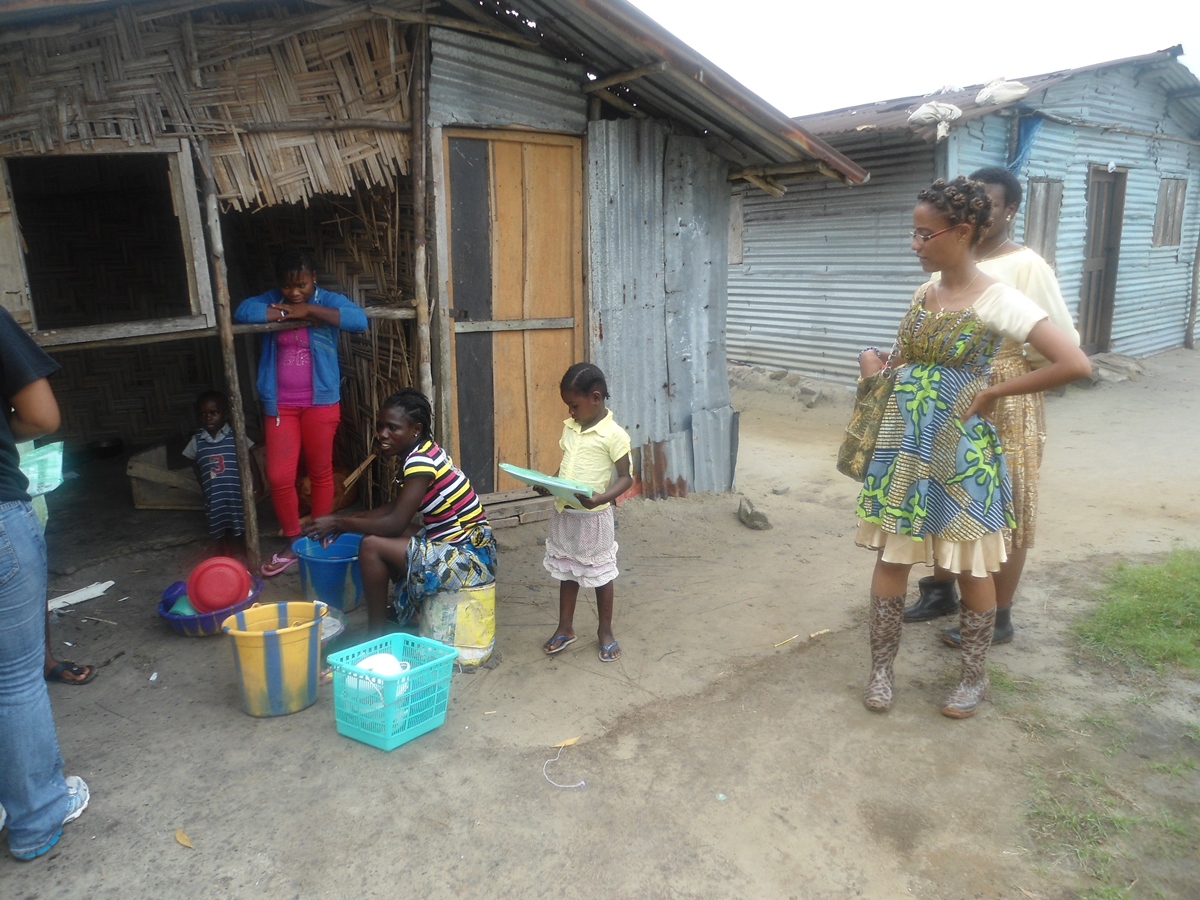
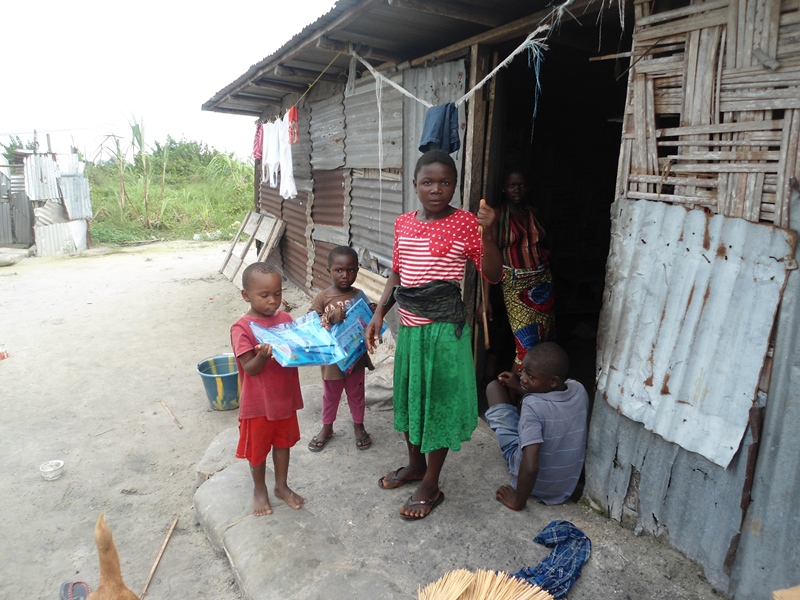
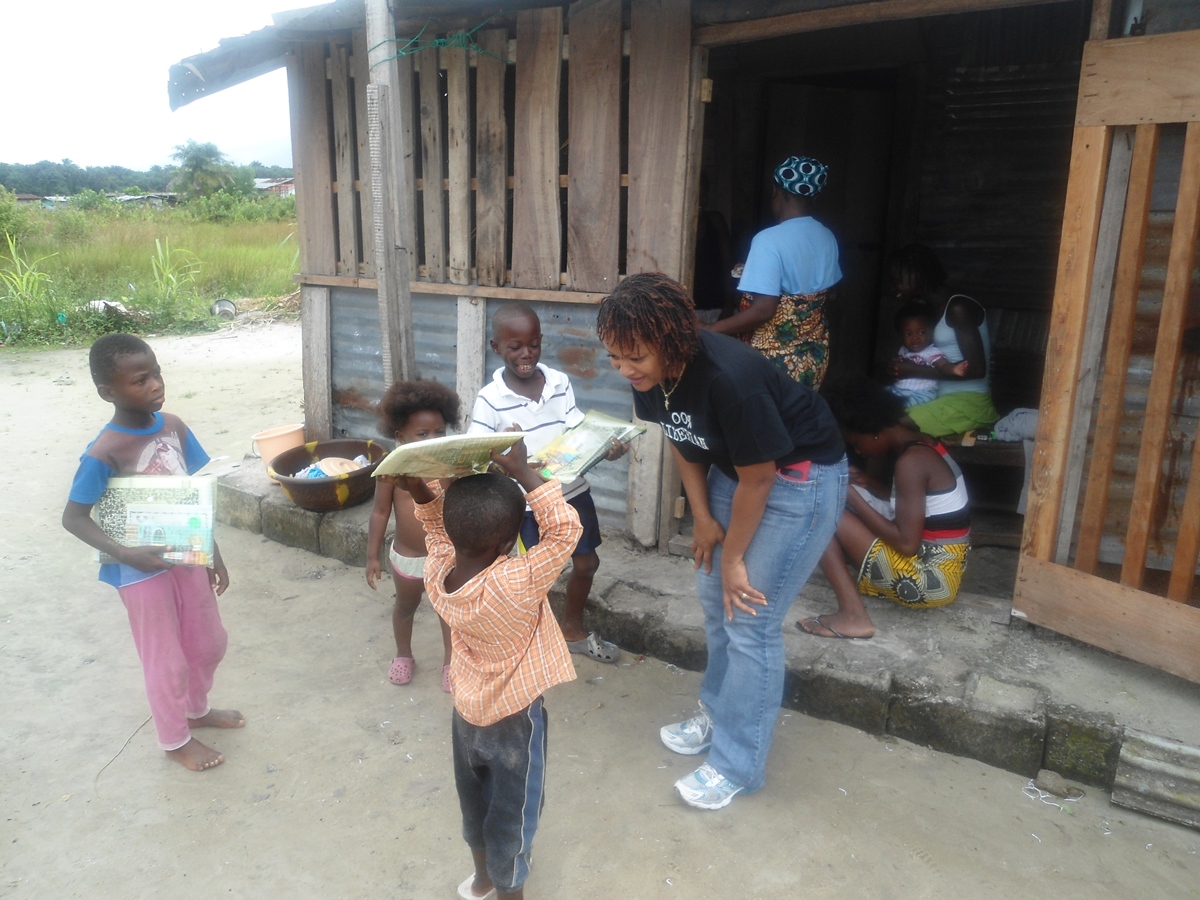
The target was 150 kids initially but after I did the first distribution on September 14, 2014, I quickly realized there are a lot more kids in my immediate neighborhood than I estimated, so I took the number to 200. They were really happy and excited and their parents were receptive to the initiative and promised to work with their kids to do the exercises.

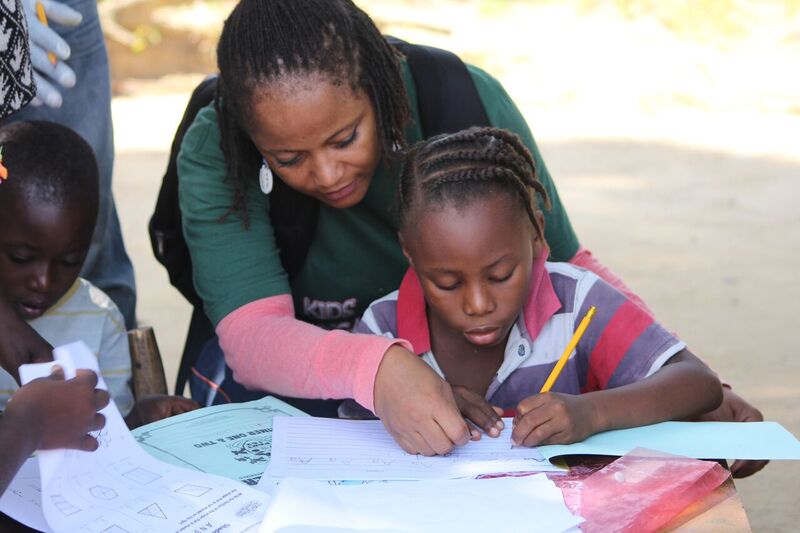
A brief discussion is held with the parents to encourage them to make time during the day to teach the kids and check up on their progress and efforts.

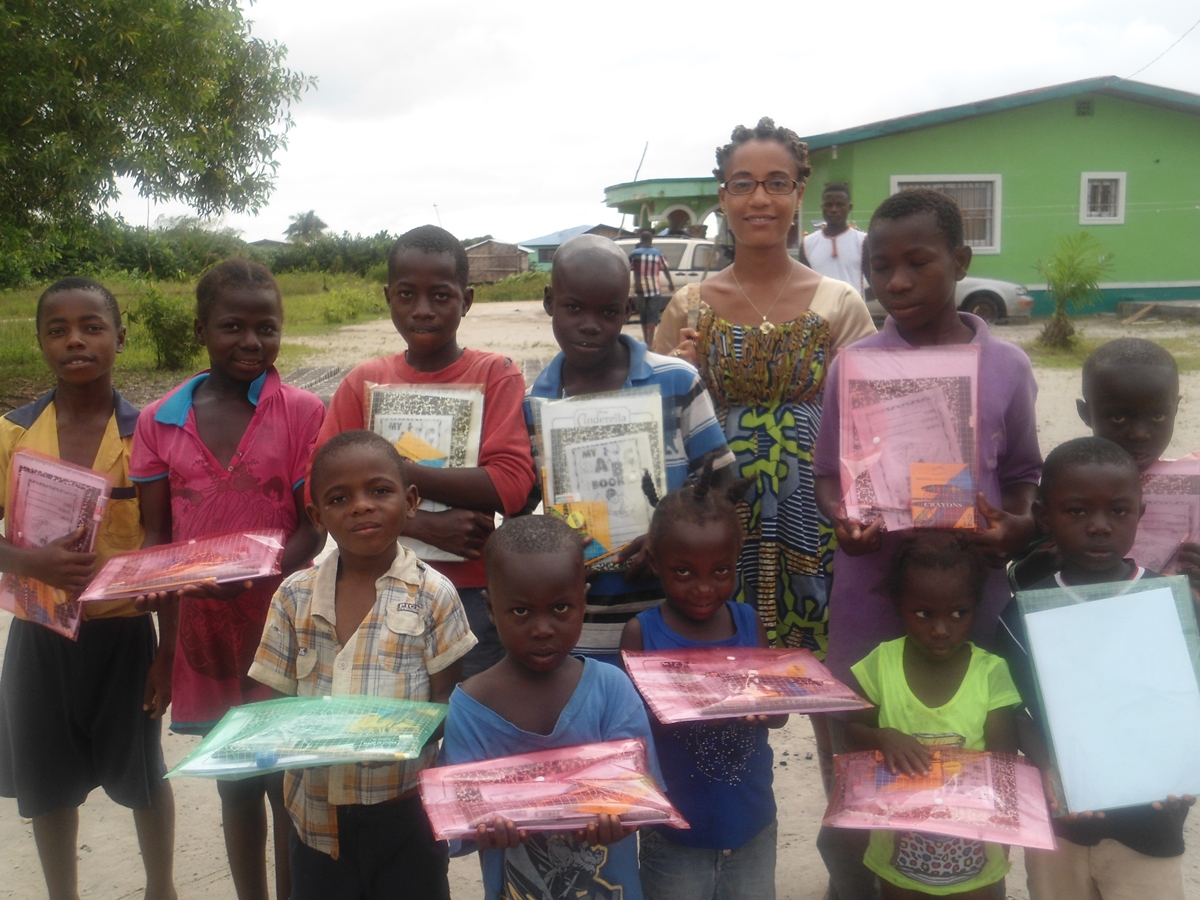
The start-up kits for K1 & K2 include:
• 1 box of crayon
• 2 pencils
• 1 sharpener
• 1 erase
• 1exercise book
• 1 Disney character coloring book
• 1 So-GO-LO book
• 1 ABC tracing book
• 1 ABC coloring book.
• 1 assorted math worksheet (counting, number sequence, etc.)
20140912_105639 ???????????????????????????????

For the 1st – 3rd graders, the sets are a bit different with more math, reading comprehension and other helpful worksheets, but also include the crayons, pencils, etc.

I sent out emails to several friends asking for their support and the feedback has been amazing. So far, I have done two distributions with the first actual follow-up distribution scheduled for this weekend.

Once again thank you so much for helping to make this possible and putting smiles on the faces of these kids and helping to keep their minds busy and engaged during these difficult times.

I intend to do this weekly till end of December. We are all optimistic that the Ebola crisis would have been brought under control enough by then for schools to be reopened by January 2015.

If you would like to support this initiative, please send me an email moore.brenda@gmail.com or call me 213886510731 or go to a GoFundMe page set up for the initiative http://www.gofundme.com/project-kidsengagement
??????????????????????????????? ??????????????????????????????? ??????????????????????????????? ???????????????????????????????

??????????????????????????????? ???????????????????????????????

My kids love helping me sort out the packets for distribution
20140912_103619My kids love helping me sort out the packets for distribution

I would like to thank the following persons for their support to the project:
1. Blidi Elliott
2. Maria Harrison
3. Angelique Weeks
4. Masah Sobboh
5. Ernest Gaie
6. Cornelius Poneys
7. Musu Doe
8. Georgene Wilson
9. Jennifer Anderson
10. Arnold Johnson
11. Wilfred Passawe
12. Kweme Clement
13. Gyude & Lakshmi Moore
14. Alimata Johnson
15. Jackie Parsons
16. Sametta Togba
17. Nat Walker
18. Korto Reeves Williams & ActionAid Liberia
19. Anthony Wilson
20. Nada Adjami Tondo
21. Massah Sobboh
22. Emmanuel Payegar
23. Alexander Swen
24. Richardson Ndorbor
25. Wil Baku Freeman
26. Siah Manobah
27. Hugh Collins
28. Ne-suah Beyan Livingstone
29. Tuma & Evita Johnson
30. Alyce Anderson
31. Barbara Cooper
32. Solomon Vincent
33. Yuade Merab Moore
34. Varfee Siryon, Jr.
35. Omar & Jeanne Fahnbulleh
36. Wyanie Bright
37. Tanya Weefur
38. Aubrey Winkie
39. Denise Barrette
40. W. Moore
41. Brian Watson
42. Terence Sakor
43. Francis Gibson
44. Dr. Joseph Baysah
45. Joyetta Satiah
46. Musu Wangolo-Stewart
47. Elvira Cooper
48. Nellie Sando Beyan
49. Pah Suku, Jr.
50. Vicky Ward
51. Monique Morrisey
52. Alvina Smith
53. SELF Liberia (Friskies Fest)
54. William Ward, III
55. Vivian Ward
56. Jle Tarpeh
57. Wede Wallace
58. Josephine Lee Brapoh
59. Florence A. Akins
60. William E. Ward, II
61. Mercedes Martin
62. Hannah Gardiner
63. Weahde Greaves
64. Peter Jackson
65. Linda Strange
66. Lisa Warfield

67. Tanu Dworko

68. Miatta Fahnbulleh

69. T. Nelson WIlliams

70. Delmeza Honeyborne

71. Tony Ichel Salifu

72. Salikri Sayeh

73. Josephine Lee Brapoh

74. Florence Aikins

75. Miatta Fahnbulleh

76. Min. Axel & Fatu Addy

77. Musu Redd

78. Judge Richard Klah

79. Deddeh Howard

80. Deddeh Supuwood

81. Caleb Dormah

82. Rufus Berry

83. George E. Taylor

84. Jeanine Cooper

85. Pearl Jardia

86. Theodora N. Brooks

87. Vickie Jackson & Run For Liberia (RFL)

88. African Cultural Student Association – St George’s University

89. Saran Kaba Jones

90. Marjohn Cooper

91. Naz Tubman

92. Zwaa Frankfort

93. Johan Supuwood

94. Thelma Nyanway

95. Mahmud Johnson

96. Louis Ceasar Junior

97.
Kids and schools closure

a few weeks ago, I wrote about the closure of schools in Liberia and the effect this is having on kids in the country.
schools are still closed and looks to be closed for another few months. this means kids are idle and left behind with school compared with kids in other countries around the world.

A few friends have become concerned and thought to raise funds to get school supplies, worksheets, etc to kids in the country. any help and support you give will go a long way…

thanks
Brenda

https://www.indiegogo.com/projects/promoting-education-in-the-aftermath-of-ebola

Challenging Our Cultural Norms & Traditions to fight Ebola

With the Ebola outbreak, Liberia has entered an unchartered territory and is struggling to deal with this plague that is ravishing our country. Ebola has claimed the lives of so many of our people. Over 500 Liberians dead as of August 24. That’s an alarming figure if you consider with each life, the number of people affected.

All that we have known and practiced are being questioned, challenged as part of prevention measures. How can you attempt to change decades, centuries of cultural practices in a few days or weeks? How can you change an entire society’s way of life? Understandably so, we resist some of these changes. In as much as we understand the reasons for the change, we find it hard to embrace it even at the risk of our lives and that of our loved ones.

Grief

There is a long standing joke that “Liberian people like funeral business”. The same is true for most Africans when it comes to burial rites. We demand that our beloved dead ones are given a “befitting” burial regardless of relationship we had with the person while he/she was alive. You may not have spoken to that relative for years, but once that person is dead, bygones are bygones. We do not speak ill of the dead and “put hands together” and bury that person.

This entails weeks of planning the funeral, from the kind of casket and souvenirs, to the repast. Relatives residing abroad come in for the funeral in all fanfare and pageantry. We “spread mat”, meaning we open our homes to friends and relatives to come in to help with the planning, cooking and burial preparation. Relatives from “up country” come to town to grieve with us and to comfort us during the difficult time. People are expected to openly grieve their departed love ones. The few who try to hold their grief in and behave “dignified” are regarded with raised eyebrows and subtle mummers are heard that the person is trying to act “qwee” or “white” and in some instances even regarded with suspicion. “Why aren’t you crying?”

We are open mourners. None of that stoic, well behaved poised crying you see on TV for us. Oh no! We get that grief out. We yell, scream, throw ourselves on the ground and cry. Sympathizers hold us, comforting us. They hug us. They cry with us. That is what we know. That is what we expect.

Once the actual burial is completed, it is common to see people who had been bitterly wailing and yelling, crying inconsolably only a few hours before, laughing with family again. Holding a “cold one” and telling fond tales of the departed person. Funerals are also a time of family reunions and re-acquaintance, renewal of friendships. Meeting new additions to the family, including new boyfriends, girlfriends, baby, etc. All of this is a ritual. A process that goes on anywhere from a week to a month. In fact, in some Western African countries (Ghana and Nigeria, particularly) the dead can be kept up to 6 months just awaiting funeral preparations. One could say this is a way of dealing with grief which is why you probably don’t see so much depression and suicides in our culture. We mourn and move on.

Then so in comes Ebola. We are now told to stop all of this. Now if someone we love dies, we are not to touch the body. Our society is far from what we see in the movies where you see someone faints and the person nearby picks up and phone and dials “911” and within minutes there is an ambulance there to whisk that ill person away to the hospital for treatment. In stark reality here in Liberia right now, people who do call the 4455 number (Ebola Response Center) have to wait hours for a response team and in some cases, a day or two. During this agonizing time, this is when the person is most infected. As such, family members are cautioned to stay away.

Do not touch. And when the burial team arrives, the body is taken away. Immediately. There is no opportunity for closure. The stigma of the illness alone isn’t allowing us to loudly mourn as much as we would want. We don’t want people linking us to the dreadful disease and have others thinking we touched the dead and are now infected. Instead of comfort, we are now afraid of being shunned and stigmatized. We are also now told to burn our dead. Yes, burn the bodies. There is no gravesite that you can show or go and decorate and memorialize on Decoration day. (No grave to fight over, ha!)

Bonding

We are an affectionate set of people. We love touching each other. Whether to console or to greet. You meet someone and the first thing that is expected is to say hello and extend your hand for a handshake to show you hold no ill towards the person. Refusing to shake someone’s hand is taken as a serious slight. The ritual has been established. Decades old.You greet the person verbally, shake hands and hug the person. Some do the customary kiss on both cheeks or pat the person on the back. Some men are fond of snapping fingers and doing elaborate handshakes. All this is done joyfully, smiling and talking. We are now told we have to stop this also. These days we have become Asians. You meet someone and you smile and do a slight bow or just say hello or wave. No touching, no handshakes, no kissing and certainly no hugs. Everyone you meet now smells of chlorine. The prevention measure now popular in and around the country. From offices and local businesses, to homes… fewer visits, fewer meet ups, less contact. We try to stay alive. In fact, Ebola now has this distrust for everyone you meet.

Food

People in the rural areas live off the land. For them, it’s quite simple: They farm. They hunt. They sell. They are now being told to not hunt (with no alternatives being provided) and not eat animals in the wild. After a full day on the farm doing various chores, people come home and have communal meals together, often eating in one big bowl with females eating together, males in another and kids in another.

For people in the city who have the luxury of buying imported chicken and meat, it’s easy to remove “bush meat” from their palate, but this is almost impossible for the many whom this is their main source of meat protein. A way of life. Centuries old traditions and beliefs have held us together, served as the glue for families and communities. Handed down, generation after generation. Normalizing life, even after years of civil war. Yet, the reality and sheer number of death rate has us all shaken and scared and pushed us to come out of our cultural comfort zones and consider changing, adapting to collectively combat the plague.

However, in as much as there is a lot we are resisting, we should also consider adapting. There is a saying in Liberia “such is the time, such is the condition”. We find ourselves in a difficult time and condition and we need to change fast. Re-orientate ourselves if we are to survive to tell the story.

Then, maybe then, just maybe, we can go back to life as we knew it.

State of Emergency and Schools Compulsory Closure

Our country has been plagued (for lack of a better word) by the Ebola virus and hundreds of our people are dying. We are paranoid about people we meet and are now extra careful when we do have to go out to work or to the local markets or supermarkets, church, everywhere. I know if many had the option, they wouldn’t leave their homes unless really necessary. As soon as you get a headache, you start panicking. As part of efforts to curb the spread of the disease, the President announced the closure of all schools in the country.

As a parent of two young kids, my initial reaction was “whew! I don’t have to worry about them contracting the illness from school”. But shortly afterwards, another harsh reality hit me: what happens to them now that they are going to be home all day, every day for the next 4-5 months? What happens to the school year? How will government mitigate the wasted time? How do I deal with all that idle time that will now be on their hands?

To make matters worse, the rainy season is already in full force so the kids cannot play outside in the yard to get out some of the pent up energy. Anyone who has young kids knows what great a challenge it is to keep them cooped up in the house or yard all day. So imagine having to deal with this for possibly weeks and months.
As most homes do not have access to the government provided electricity (LEC), keeping them busy watching television all day isn’t too viable an option. Plus it’s expensive to run a generator all day, each day for them. Besides, after a while that too becomes boring for them.

learning

The thought of bringing in a tutor for them daily is off the option list because you don’t know where he or she goes and who he or she will be interacting with (again, that paranoia) and we want to limit our kids’ interaction with “outsiders” as much as possible.
Thus, initially, I started leaving them odd school work each day that they had to complete by the time I got home in the evening and then we would take an hour to review. But, after a few weeks, I ran out of things to teach them and wasn’t quite sure if I was giving them the appropriate lesson for their individual educational levels. I pondered on this for a few days then it hit me: why not get the text books for the next school year and follow the guidelines?

And so that is what I did. I went under the old Ministry of Education building (the one on Broad Street) and got the MOE books for mathematics, language, science, social studies, etc.
Not only do I now have a better sense of what I am doing with them, but I don’t feel this deep silent nagging that their school year is being wasted by the compulsory prolonged schools closure, albeit for all our own good.
Over the past few days have had conversations with other parents who are also complaining on similar issues I had of the kids missing out on school work and when I explained what I am doing with my kids, they all went ‘aah, makes sense, I will do same”.

arthur

I have therefore decided to share my “idea” with many other parents and have compiled a few other tips on dealing with the kids during this difficult confined situation.

• Try to get the Ministry of Education prescribed text books for your kids for the next school year and come up with a study plan for each child for the next few weeks. What I did was to get a few notebooks for them to do the various exercises.

• Have a planned structured day for them where they know what to expect (as is done in school daily for them). For example, Monday at 9:00 math, 10:00 reading, etc.

• Leave lessons with them to read and review each day.

• Make time each day after you get home, even if it is an hour or 30 minutes to review the lessons with them and clarify areas where they have questions or don’t understand.

• Every two weeks do a mini quiz with them and each month a test to review the areas covered.

• If you have access to the internet, download some of the available free resources for kids to augment the text books.

• Get a cheap phone (they have some for as low as U$15) that you can use to check up on them during the day on their lessons. Take advantage of the numerous 3 & 4 day free call promotions the cellphone companies are offering so you not using too much credits on calling them.

• Get them involved in helping with other chores around the house. Turn the activity into a game for them so they don’t see it as an unwanted chore but something fun. As an opportunity for them to learn other skills at home, helping out in the kitchen (make sure there is always adult supervision), washing dishes, sweeping, etc.

• There are educational discs that are sold around town for preschoolers and young kids you could purchase a few to mix up with the regular cartoons they watch (for those who can afford TV, that is).

• And most important of all: Be Patient! Many of us parents aren’t good teachers and are quick to yell at the kids, smack them or threaten and scare them when they aren’t learning the school work as fast as you would like them to. Don’t frighten them into learning or have them associate learning with pain. Make it fun.

This is also an opportunity for you to bond with your kids on a different level and to refresh your memory on some of the elementary school work we have forgotten. For me, I am now relearning the multiplication table. 8X1=8, 8X2=16, ……

brenda ebola 14brenda ebola 12

Liberians, Ebola and Sex

I find myself being worked up each day almost into a frenzy panic, scouring the various online news outlets for news and updates on the Ebola virus plaguing our country.

Each day you wake up, you hear of more people infected, more deaths. These days, it is no longer unnamed faceless victims in the most rural parts of the country but people we know, or we know people who know people who are victims. The disease has entered our social circles and is now staring us rudely, daringly in the face.

The church and religious “fanatics” have their own theory that this is a combination of this being a plague upon us Liberians for the vile sins we commit and the deep dark levels we have degenerated into and that God is dealing with us and that this is just another sign of the world coming to an end. The End Days.

There is a growing deep distrust of the government which probably stems from decades of failure of past governments and leaders and this is probably why when the alarm was raised earlier this year of the Ebola virus, people generally didn’t believe it was true or felt it was too distantly removed from our comfort zones to be alarmed. Many saw it as another government attempt to milk a situation for more money to steal (or to say it nicely: misappropriate), solicit more donor funds, etc.

When the Ministry of Health said it needed over 2 million dollars to combat the spreading of the virus, there was laughter, jeers and incredulity with many saying “aah, we told your these government people just looking for way to eat money”. I bet 2 million probably seems a drop in the bucket now, eh?

The minister of health, Dr. Walter Gwenigale held a press conference where he give advice to the public on how to deal with the virus and ways of avoiding the illness, including avoiding contact with the bodies of people who died of Ebola, no touching, shaking hands and “no sex for 30 days”.

Aha! We had something to cling to. Something to help us escape the nasty reality of this virus.
Newspapers went wild with headlines of “Gwenigale says no sex for 30 days”. Jokes roamed the various social medias with many joking, “Ebola says we shouldn’t eat something oh”.

As part of an awareness campaign, a song was made. I think Julie Endee made the song and I didn’t get to listen to the song till few weeks ago with the message of no eating dried bush meat, shaking hands, symptoms of the illness, no hugging and no sex. I understand that whenever the song was played at parties and nightclubs, there would be a loud hail from the crowd with many of the dancers pulling their dance partners closer and saying suggestively, “no eating something oh!.

With the recent deaths of some health professionals, of course, again the rumor mills are thriving with speculations that they may have been “eating something to be passing the disease left and right among themselves”. I even heard someone say “don’t mind these doctors, whole day they chasing these nurses and patients, da eating something will kill them”.

Ebola has become a stark reality. The death rates are running high and coming closer and closer to our comfort zones. We are no longer laughing and it’s almost hard to hear the Ebola jokes anymore. The reality is here. Staring us grimly in the face each day. We can either accept that this illness is indeed here and collectively fight and kick it out of Liberia, or we can deny the reality, stick our heads in the sand like ostriches, leaving the rest of our bodies exposed and open to attack.

I was in a vehicle recently with two young men and we passed a very pretty girl standing by the side of the road looking for taxi (or a ride) and one commented “damn, all the fine fine girls coming pass by us these days oh, Ebola spoiling people show”.

The other said “my man, no giving lift these days oh, no hustling, Ebola in town. You ain’t hear, no eating something”.

This is not just “government business” but everyone’s business. Wash your hands. Do not shake hands, hug, don’t eat bats, cook your food well, don’t eat plums that are bitten by bats, etc.

And yeah, maybe even, no “eating something” if that what it takes to kick Ebola out.

Time

Time

They say time heals all wounds
That Time will heal the vacuum, this emptiness,
This void I feel
They say time will make me remember without pain

When will that time be?
Oh how I miss you!
I wish could turn back the hands of time.
I wish there was more time
Time taken for granted
Wasted time
Cherished time
Forgotten times

The painful tug of knowing
Of accepting,
The reality, that as much as we wish, yearn, crave
Time has run out
The hour glass is empty

Time
Time
Time, I await you
Heal my pain
Make me remember without tears
Fill my void
Help me smile full real smiles
Help me cherish the time we did have
Time shared
Time, wield your magic
Spin your web
Time, I await you

Brenda 2009

one wish

If I had one wish

For what will I wish?

Will it be for all the riches I can hold?

or long life till I am so old?

Or will I wish like King Solomon did- for wisdom

Or for a glimpse of the future untold


Will I wish for my lover’s touch?

Or for all the best upon my offspring’s path

Will I wish for the promotion I desire

Or for some hidden unspoken desire


Will I wish for five minutes with a departed loved one

Or for the secrets of the great beyond

Should I wish for joy and peace of mind

Or of fame and glory unbound

Or maybe I should wish for world peace


I do not know what I would claim

If ever I should be asked

To make one wish

But, if you had one wish

What would it be?


Heliconias- they love the rain!

IMG041        IMG_20120114_090114

I love the rainy season in Liberia.

I think I am one of the few Liberians who actually look forward to the rainy season.

Mostly because the place is so cool but mostly because everything turns green.

Everywhere you look, you see plants thriving.

oct 2012 (2)I have several plants in my garden that thrive on the amount of rain that falls

I read somewhere that Monrovia is the wettest capital city in the world…so that tells you the amount of rain we get each year is no joke.

The heliconia plants particularly love the water.

I love them for several reasons:

  1. They are guaranteed to give you beautiful bright colored flowers all year round.
  2. They require minimal care- just make sure they get lots of water and fertilizing every few months.
  3. They give wonderful flowers that can be used for cut flower arrangement that lasts for up to 2 weeks under ideal condition.

Downside- they can quickly take over the garden if you aren’t watchful.

Absolutely gorgeous!

Image144 IMG_20120216_184300-2

My Encounter With A Rebel Leader

The year is probably 1993, I am not 100% sure, but thereabouts. It was a Sunday morning and as usual, my mother was taking us to church.

She had just joined a new Pentecostal church called Mount Calvary and this new church was very far from our home. Probably about 20 miles away.

I wasn’t too excited about going to church today because this new church is loud and they stay too long in service. So this would be an all-day event.

We got dressed to leave and just as we crossed the junction leading up to the Cuttington campus, our jeep started jerking and stopped. I heard my mom say something under her breath and then lay her head back against the drivers head rest. “oh Suzy”. Suzy is the name she has given to the car. I still do not know why she named the car Suzy.

After a few minutes, she gets out of the car and stands by the side of the road and not long after, I get out the car and asks her hopefully “will we go back home?”

She looks at me and shakes her head no and says “ Jesus will send a car to take us to church”.

I mentally roll my eyes at her response and carefully lie against the dusty car and stare down the road to see if any car was approaching. None. Not even the distant sound of a car’s rumbling engine.

We stand in the blistering sun for a few minutes and I hear my younger sister start to wail in the car. She is about 3 years old and probably uncomfortable with the heat and inactivity.

Just as I am about to get into the vehicle to console my sister, I hear a car approaching down the road and turn to see if it’s a commercial vehicle or perhaps the vehicle of a friend of my family. The car gets closer and the first thing I recognize is an automatic gun mounted on the rooftop of the pickup and the back of the pickup is fill with “freedom fighter” looking guys.

I shrink against our vehicle and hope they wouldn’t notice two well-dressed light skinned females standing by the side of the road in a somewhat isolated area.

No such luck and before I could ask mama what to do, the pickup pulls up alongside our car and stops. Two “freedom fighters” alight with guns raised, looking all fierce and angry. My heart skips a beat and I sneak a peek up at my ma to see her reaction to all this.

My ma is about six foot tall and about 200 pounds, yellow butter complexion and a beautiful woman. Probably a sight for those fighters weary eyes.

A man is sitting in the front seat with a crinkly face that is mostly covered with beard. I hear him say to my ma “ Kushe”. I don’t recognize the dialect but I hear my ma reply “hello, how are you?” I later learned it was the creole dialect of the Sierra Leoneans meaning “hello”.

I don’t hear his response, but I see her hesitate a bit before responding “yes, thank you” and then turns to me, “Brenda, let’s get the children in this car”.

I look at her in astonishment and with a look that says “get in that car with all these men and all those guns?” And as if reading my thoughts, she gives me a reassuring look and smile.

I turn to lift my sister from our car, grab my Bible and then I hear the bearded man say “ Oh na no go help dey woman and the pekin them?” in the Sierra Leonean broken English creole dialect “ won’t you help the woman and the kids?” 

His accent isn’t Liberian to my ears and I have never quite heard any one speak like him, so I am a bit fascinated and still scared at his appearance which is a bit unkempt and sinister looking although he is smiling.

By now, my mother has locked our car and grabbed my younger brother and is headed towards me. The bearded man speaks more of his strange dialect and the soldiers in the cabin of the pickup get out and get to the back of the car, thus making space for my mother, me and my siblings.

We get into the car and I am right behind the driver which makes it easy for me to sneak peeks at the beard man up in front.

He turns and smiles at me and after my mom slams the car door shut, the car moves off with a jerky start.

I sneak a peek at my ma’s face and I see her eyes closed, like she is praying. My younger siblings are surprisingly quiet. Probably fascinated by the whole thing as I was.

I sneak a peek through the back glass of the car and see the “freedom fighters” in the back staring straight ahead. Somehow, these fighters look fiercer than the ones I see around the city and they are even dressed slightly differently. I noticed they are wearing a lot more “zay-gay” as they call their voodoo charms that are supposed to save them from gun bullets and enemies. Their hair seems longer and dirtier and there is just this air about them that seems a bit more sinister and scarier.

The beard man turns to my mom and I think he asks her for directions to our church. She tells him and he smiles and I hear him say “ na dey I dey go sef”. That’s where I am headed anyway.

My mother’s new church is located in part of Central Gbarnga city, Liberia, called Jukbamu. In order to get to the church, you have to pass right by the residence of Charles Taylor, the leader of the Freedom Fighters.

I suspected the beard man up front must be a General or a “big man” because he is saluted at every rebel check point and our vehicle isn’t searched as all others are, even when we turn into the lane leading to Charles Taylor’s home.  I try to observe this strange man better but can’t as he is facing front and most of his face is covered with black beard that is generously sprinkled with gray. Same with his head.

I hear my mother giving directions to the church and before long we are swerving in the church yard in a hail of dust and pomp. As is the style of the “freedom fighters’, they jump from the vehicle before the car pulls to a final stop and are looking around all fierce like, guns pointing.

My mother says thanks to the beard man up front and asks him “would you like to worship with us?” and he shakes his head, smile and says “no”.

She thanks him for the ride when we are all out of the vehicle shoos my siblings towards the church and sort of pulls me to her side, partially behind her, almost like she was shielding me and again says thanks and wave, but not making a move to turn her back and walk to the church.

The pickup restarts and in another hale of dust and pomp, pulls away.

Even in all the noise from the church and the vehicle, I hear a deep sigh from my ma, so I lift my face to hers and ask ‘ mama, who Is that?”

She responds ‘ Foday Sankor

Of all the many generals names I have heard, his is strange so I again ask “ who’s that?”

She turns to me and says “he is the Sierra Leonean rebel leader

I am about 13 years old and I still didn’t know who he was, so I shrugged and pulled away from her and walked towards the church.

I forgot all about this incident until many years later when I heard that Charles Taylor was being accused of being in cohorts with Foday Sankor. That’s when my mind ran back to my encounter that hot Sunday morning when my family was given a ride to church by a rebel named Foday Sankor.

sankoh7